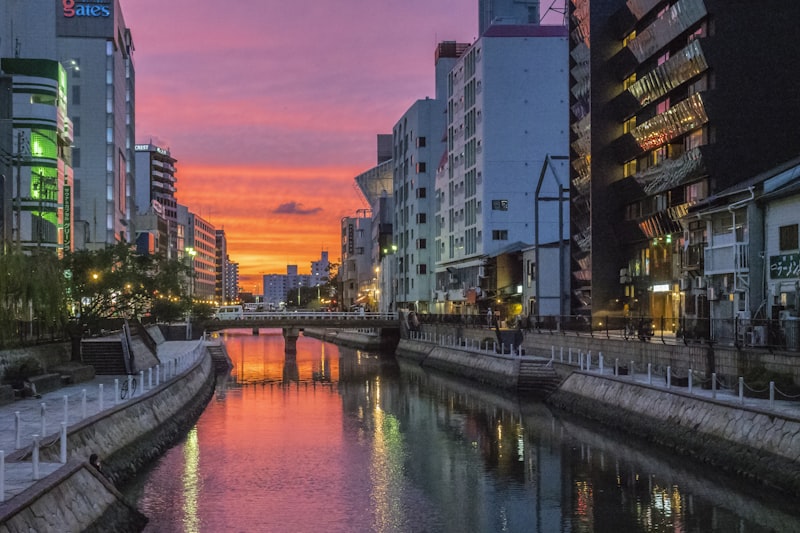
Fukuoka is arguably Japan's best food city. From the original tonkotsu ramen at midnight yatai stalls to fresh oysters at Yanagibashi Market, here are 15 dishes you absolutely must eat.
Hakata Ramen — The Original Tonkotsu
Tonkotsu ramen was born in Fukuoka and the city's version remains the benchmark. The broth is made by boiling pork bones at high heat for many hours until it turns creamy white and intensely rich — an emulsified porky depth that bowls from other regions rarely match. Hakata-style is served with thin, straight noodles, chashu pork, a soft-boiled egg, green onions, and pickled ginger. The key distinguishing feature is kaedama: when your noodles are almost finished, you call out and a fresh portion arrives in your remaining broth for a fraction of the original price.
The best bowl in the city is a matter of fierce local debate. Ichiran and Ippudo are the internationally famous chains — both began in Fukuoka — but the city's most characterful ramen comes from small independents: Shin-Shin near Tenjin, Shin Miyabi in Hakata, or any of the late-night yatai stalls along the Naka River.
Yatai: Fukuoka's Street Food Stalls
The yatai are Fukuoka's most distinctive eating institution — open-air wooden stalls that appear along the Naka River and Tenjin streets from dusk until the early hours, serving ramen, yakitori, oden, and gyoza under glowing lanterns. There are around 150 licensed yatai remaining in the city, down from several thousand in the postwar decades but still the largest concentration in Japan.
The etiquette is simple: take a seat at the counter (most fit only 8–10 people), order whatever the stall specialises in, and stay for as long as you like. Conversation between strangers is normal and actively encouraged. The experience is quintessentially Fukuoka — convivial, unpretentious, and only possible here.
Mentaiko: The City's Signature Ingredient
Mentaiko — spicy marinated pollock roe — was developed in Fukuoka in the 1940s by a Korean-Japanese entrepreneur and has become one of Japan's most beloved condiments. The original shop, Fukuya, still operates and remains one of the best places to buy it as a souvenir. Mentaiko appears everywhere in Fukuoka: tossed into pasta, spread on onigiri, mixed into potato salad, stuffed into tamagoyaki (rolled omelette), and served as a standalone side dish with rice. The mild pink variety (tarako) is available if you find the spiced version too intense.
More Essential Fukuoka Dishes
- Mizutaki: Fukuoka's signature hot pot — a delicate chicken broth collagen-rich and clean, served with chicken pieces, tofu, and vegetables. Dip in ponzu and sesame sauce.
- Motsu nabe: Offal hot pot with a rich soy or miso-based broth, garlic, and chives. A local winter staple and far more approachable than it sounds.
- Hakata gyoza: Pan-fried dumplings with thin, crispy skins — smaller and crispier than their Kyoto or Osaka counterparts.
- Kawara soba: Originating in nearby Shimonoseki (Yamaguchi Prefecture) and widely enjoyed across northern Kyushu — thin buckwheat noodles served sizzling on a hot roof tile, topped with chashu and egg.
- Fresh oysters: Hakata Bay oysters, available October through March, are among Japan's finest — especially from the stands at Yanagibashi Rengo Market.
- Kasutera: The Nagasaki-origin sponge cake sold throughout Kyushu, but Fukuoka's Bunmeido shop near Hakata station is the best place to buy it as an edible souvenir.
Where to Eat: Neighbourhoods to Know
The Nakasu island district, surrounded by the Naka and Hakata rivers, is the yatai heartland — stalls line the western bank from around 6pm. Tenjin is Fukuoka's upscale dining and shopping hub, with everything from Michelin-starred kaiseki to excellent ramen and standing sushi bars. Yanagibashi Rengo Market, often called "Hakata's Kitchen," is a covered produce market worth visiting in the morning for fresh seafood, pickles, and prepared foods. The Hakata station basement food halls are formidably good and worth at least an hour of exploration even if you're simply transiting.
Book Tours & Experiences
Kyushu onsen day passes, food tours, scenic train tickets and more.
Browse on KlookAffiliate link — we may earn a small commission at no extra cost to you.
Final Thoughts
Kyushu is the Japan that many travellers dream of but rarely find: authentic, unhurried, breathtakingly beautiful, and utterly original. It's a place where ancient traditions live comfortably alongside modern Japan, where you can soak in a private forest rotenburo at dawn and eat exceptional ramen from a street stall at midnight.
We hope this guide helps you plan an unforgettable visit. Feel free to explore our destination guides, ready-made itineraries, and ryokan recommendations for more detailed planning resources.