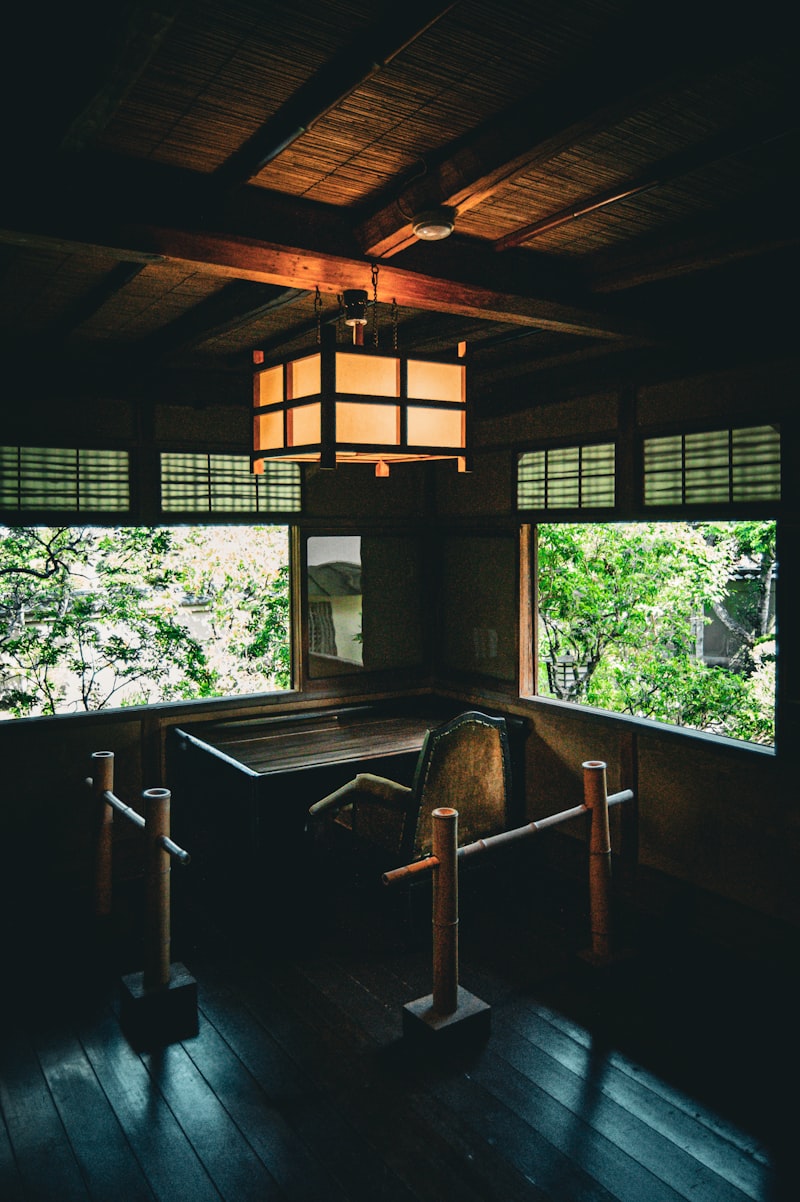
First-time ryokan guests often feel unsure about etiquette: when to wear yukata, how to behave in communal baths, what a kaiseki meal involves. This guide covers everything so you can relax and enjoy.
What Is a Ryokan?
A ryokan is a traditional Japanese inn, a hospitality form that has been refined over many centuries. At their core, ryokan offer tatami-floored rooms, futon bedding laid out by staff in the evening, communal hot spring baths (onsen), and a multi-course kaiseki dinner and breakfast, both typically served in your room. The experience is as much cultural immersion as accommodation — staying in a fine ryokan is often cited by travellers as one of the most memorable nights of their lives in Japan.
Kyushu, with its extraordinary concentration of hot spring towns — Beppu, Yufuin, Kurokawa, Ibusuki — has some of Japan's finest ryokan. Prices range from ¥15,000 to ¥80,000+ per person per night including dinner and breakfast, with quality generally reflecting the price.
Check-In Etiquette
Arrive at the time stated in your booking — ryokan kitchens work to precise schedules and dinner time is often pre-arranged. Remove your shoes at the entrance (genkan) and step up into the inn in socks or slippers provided. You'll be greeted and escorted to your room, often with a cup of matcha and a seasonal sweet while a staff member explains the facilities and meal times.
The yukata (light cotton robe) folded in your room is worn for the duration of your stay — to the baths, to dinner, around the corridors, and to bed. For men: wrap left side over right. A thicker tanzen (jacket) may be provided for cooler evenings. Wearing the yukata correctly signals you're relaxed and settled in; it's a small courtesy that ryokan staff appreciate.
Using the Onsen
Most ryokan have sex-segregated communal baths (daiyoku) and some offer private baths (kashikiri-buro) bookable by the hour — useful for couples or those with tattoos, which are still prohibited in many public areas. The protocol is consistent across all: shower and wash thoroughly at the individual stations before entering the bath, bring nothing into the water (no towels, swimsuits, or soap), and keep your voice low. A small hand towel can be folded and rested on your head or left on the bath's edge.
Outdoor baths (rotenburo) are the most sought-after experience — soaking in mineral-rich water under open sky, often surrounded by forest or mountain views. The best time is early morning, when mist hangs over the water and the light is extraordinary. Most ryokan open their baths from late evening until mid-morning, with a brief cleaning closure around 10am–3pm.
Kaiseki Dinner
Kaiseki is Japan's haute cuisine tradition — a multi-course progression of small, exquisitely prepared dishes that unfolds over 90 minutes to two hours. A typical ryokan kaiseki might run to 8–12 courses, moving through seasonal appetisers, sashimi, a grilled course, a simmered dish, a steamed course, rice, pickles, and dessert. Each component reflects the season, the local region, and the chef's philosophy.
Dinner is typically served in your room by a dedicated attendant, though some ryokan have moved to private dining rooms. Expect food you can't identify at first — ask your attendant if curious, they're invariably pleased to explain. Sake or shochu pairs beautifully; both can usually be ordered by the glass. Eat at whatever pace feels comfortable: there's no rush, and this is the centerpiece of the ryokan experience.
Practical Tips
- Tattoos: Bring a tattoo cover-up sleeve if you have visible tattoos — many ryokan's communal baths remain prohibited. Private baths are usually unrestricted; ask when booking.
- Dietary requirements: Inform the ryokan of any allergies or restrictions at least 48 hours before arrival. Most can accommodate with notice.
- Tipping: Not expected in Japan. Outstanding service is acknowledged by writing a short note of thanks, which staff genuinely treasure.
- Futon: Staff will lay it out while you're at dinner. Leave it folded to one side in the morning — it will be put away while you're at breakfast.
- Checkout: Usually 10am–11am. Settle any additional charges (drinks, private bath fees) at the front desk. Shoes will be waiting at the entrance, often polished.
Book Tours & Experiences
Kyushu onsen day passes, food tours, scenic train tickets and more.
Browse on KlookAffiliate link — we may earn a small commission at no extra cost to you.
Final Thoughts
Kyushu is the Japan that many travellers dream of but rarely find: authentic, unhurried, breathtakingly beautiful, and utterly original. It's a place where ancient traditions live comfortably alongside modern Japan, where you can soak in a private forest rotenburo at dawn and eat exceptional ramen from a street stall at midnight.
We hope this guide helps you plan an unforgettable visit. Feel free to explore our destination guides, ready-made itineraries, and ryokan recommendations for more detailed planning resources.