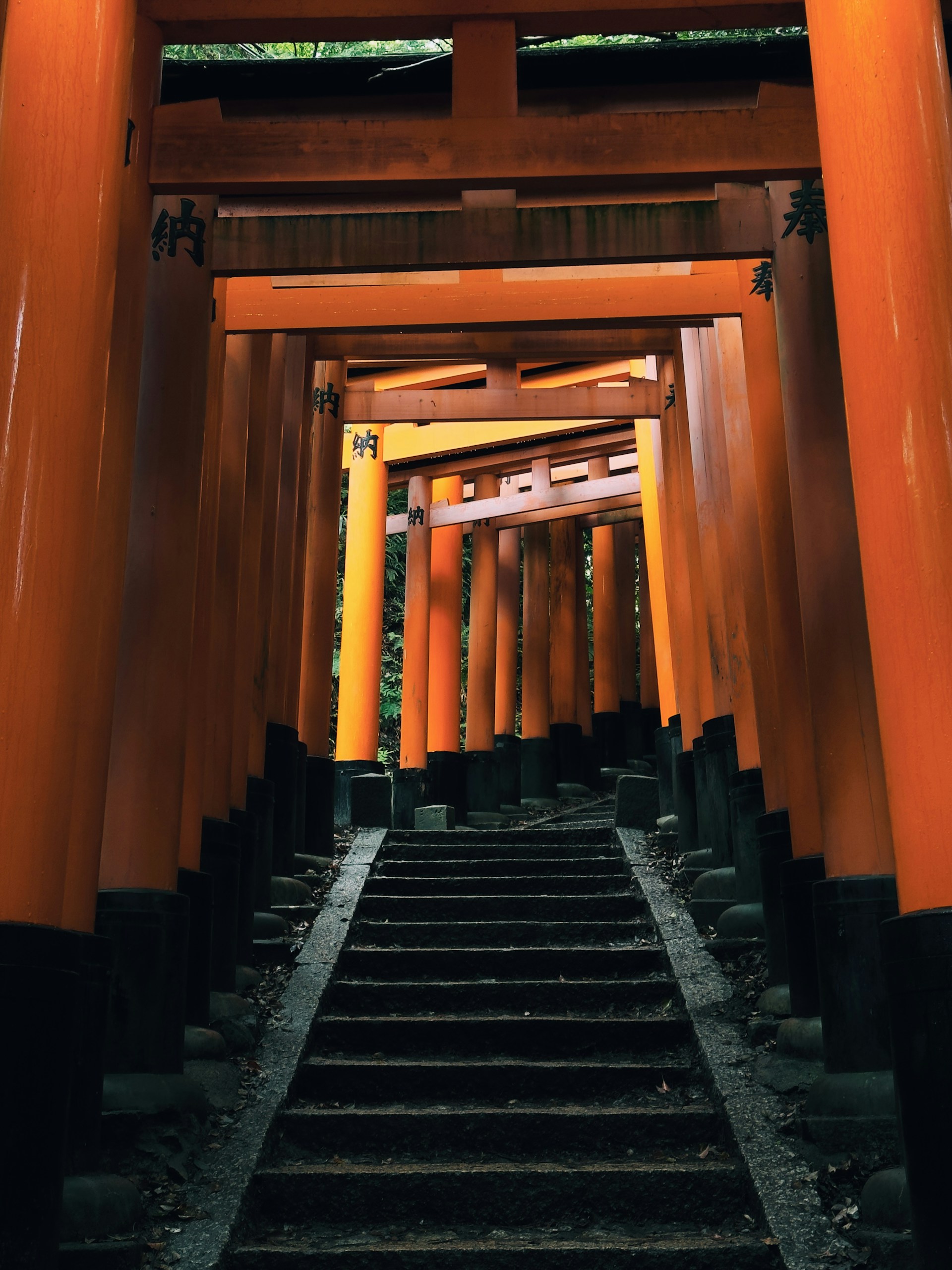
Orange torii gates lining a stairway at a Japanese shrine
Sacred Saga

The Shrines of Saga

Cliff-top Inari sanctuaries, 3,000-year-old sacred trees, and festival floats that draw millions — Saga's shrines are among Kyushu's best-kept secrets.

Saga Prefecture may not top most visitors' Japan itineraries, but for those who seek authentic spiritual landscapes away from the Kyoto crowds, it delivers something rare: ancient shrine complexes where the atmosphere of devotion has barely changed in a thousand years.

The prefecture is home to one of Japan's top three Inari shrines, a sacred camphor tree older than the Norman Conquest, and the stage for a nationally designated festival that has been performed without interruption for over 500 years. Best of all, you can visit these places on a day trip from Fukuoka — or build them into a weekend of onsen and pottery exploration.

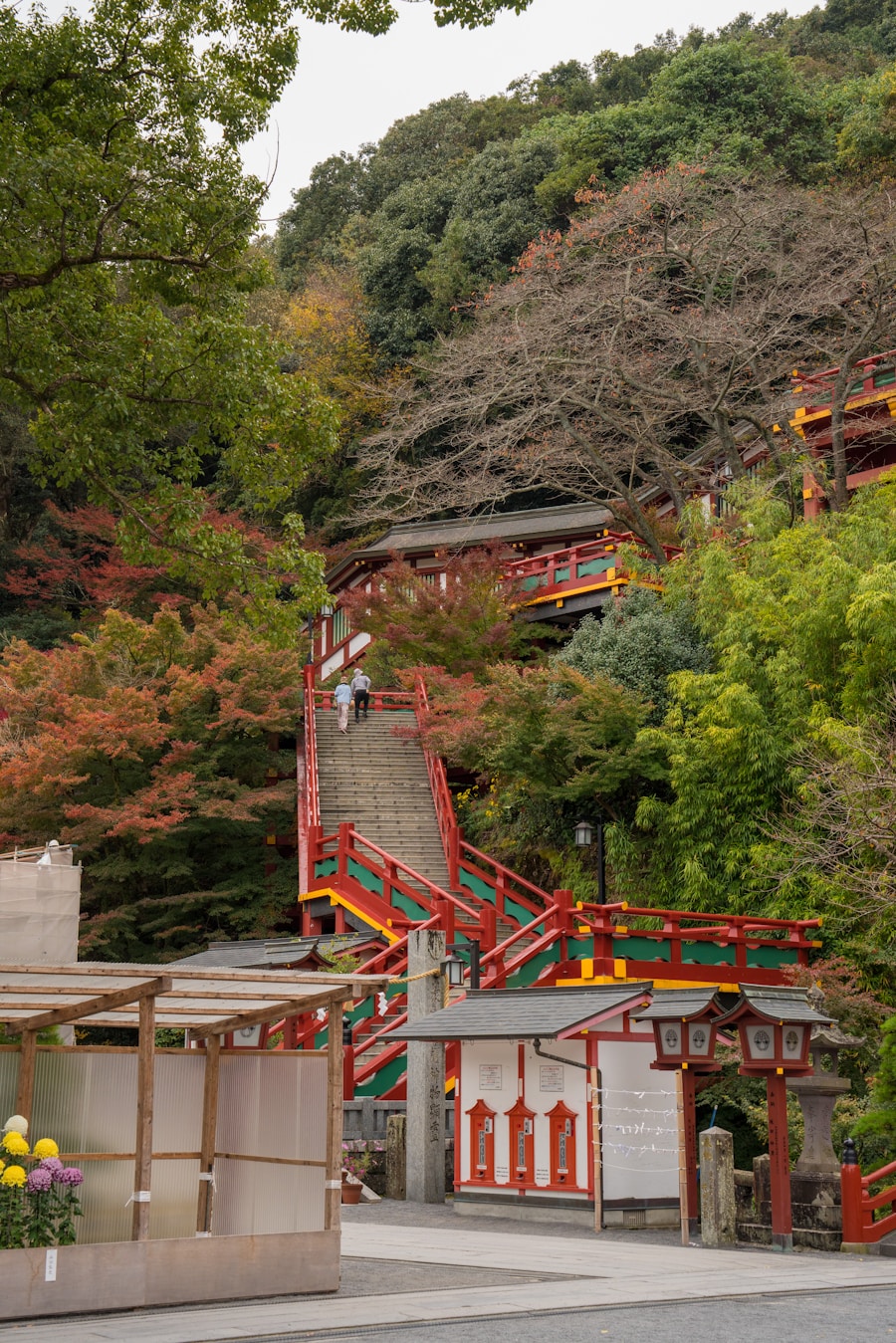
Red and gold staircase climbing the hillside at Yutoku Inari Shrine, Saga Must Visit

One of Japan's Top 3 Inari Shrines

Yutoku Inari Shrine 祐徳稲荷神社 — Kashima City

Built into the face of a steep forested cliff, Yutoku Inari is Kyushu's answer to Fushimi Inari — and arguably more dramatic. Its vermillion corridors climb 120 metres above the valley floor, and the main hall juts out over the cliff edge on a framework of wooden stilts. Over 3 million visitors come each year to pray for business success and good fortune.

  • Cliff-top main hall with breathtaking valley views
  • Thousands of miniature torii donations lining the paths
  • Inner sanctuary reachable by steep forested trail
  • Best visited at dawn before the crowds arrive
Access 20-min bus from Hizen-Kashima Station (JR Nagasaki Line); 1h from Fukuoka by train
Hours Open daily, 24 hours (grounds); shrine offices 8:30–17:00
Admission Free (inner precincts); ¥200 cable car optional
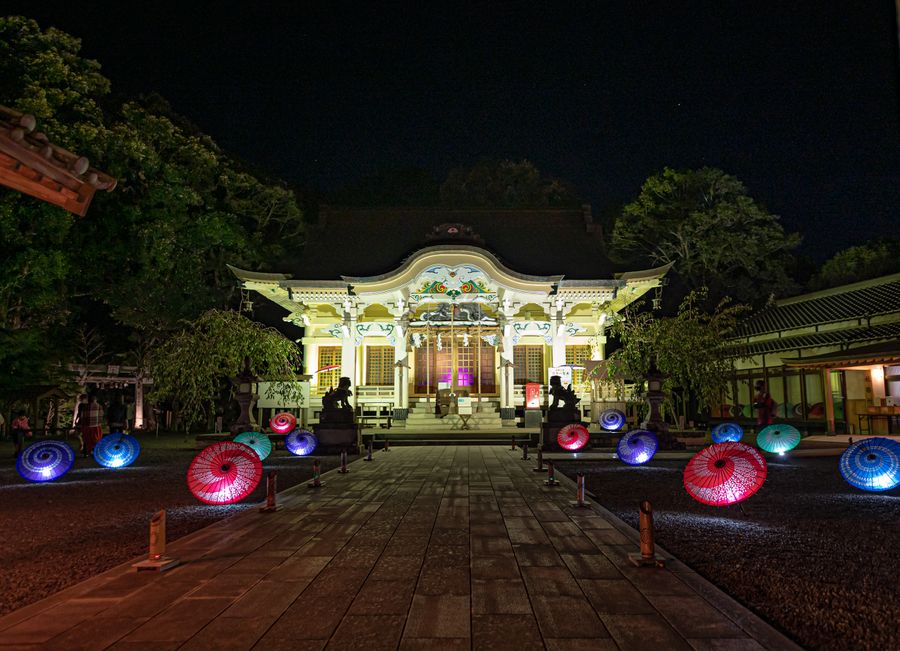
Takeo Shrine illuminated at night with colorful umbrella decorations, Saga Hidden Gem

3,000-Year-Old Sacred Camphor Tree

Takeo Shrine 武雄神社 — Takeo City

The centrepiece of Takeo Shrine is not its architecture but a single tree: a camphor (楠) that has stood here for more than three millennia, its trunk so immense that a cave shrine to the deity of longevity is housed inside it. The hollow is large enough to walk through. Nearby Takeo Onsen hot springs make this an easy half-day pairing.

  • Walk through the 3,000-year-old camphor tree hollow
  • Cave shrine (洞窟神社) carved inside the living trunk
  • Combine with Takeo Onsen public bath next door
  • Beautiful stone torii and ancient-growth forest
Access 10-min walk from Takeo Onsen Station; 50-min from Fukuoka (Hakata) by Kamome limited express
Hours Open daily, dawn to dusk
Admission Free
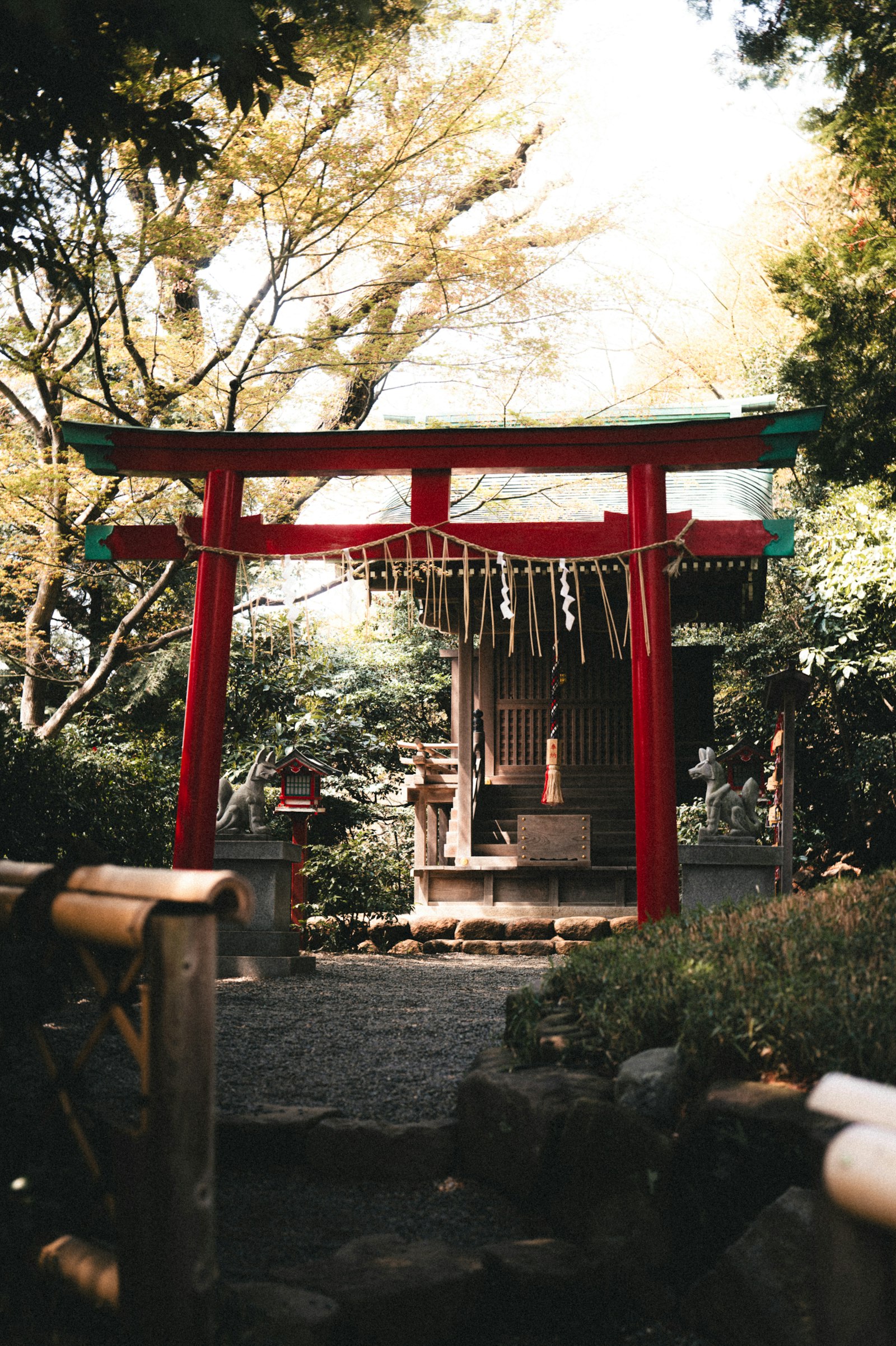
Torii gate of Karatsu Shrine on November 3 during the Karatsu Kunchi festival, Saga Prefecture Festival Highlight

Home of the Karatsu Kunchi Festival

Karatsu Shrine 唐津神社 — Karatsu City

Karatsu Shrine is the spiritual heart of Karatsu City, and for three days each November it becomes the stage for the Karatsu Kunchi — one of Japan's most spectacular festivals. Fourteen enormous floats (hikiyama), some towering five metres high and shaped as sea bream, dragons, and kabuto helmets, are pulled through the streets by hundreds of local volunteers. The festival is a nationally designated Important Intangible Folk Cultural Property.

  • Karatsu Kunchi Festival (Nov 2–4) — don't miss it
  • 14 hikiyama floats on permanent display at the nearby Hikiyama Exhibition Hall
  • Shrine gate overlooks the historic Karatsu Castle and bay
  • 5-minute walk from Karatsu Castle
Access 5-min walk from Karatsu Station; 1h from Fukuoka (Hakata) by Midori/Karatsu limited express
Hours Open daily, 9:00–17:00
Admission Free (Hikiyama Exhibition Hall: ¥500)
Ancient 1,200-year-old camphor tree at Yoka Shrine, Saga City Local Favourite

Saga City's Oldest Shrine

Yoka Shrine 与賀神社 — Saga City

Founded over 1,200 years ago in the heart of Saga City, Yoka Shrine is framed by a majestic avenue of ancient camphor trees whose roots have cracked the stone paving over centuries. The atmosphere is tranquil and deeply local — you are far more likely to encounter residents quietly praying here than tourist groups. A perfect spot to absorb everyday Japanese shrine culture.

  • 1,200-year-old camphor tree avenue
  • Peaceful atmosphere — very few foreign tourists
  • Evening illuminations on special dates
  • 10-min walk from central Saga Station
Access 10-min walk or 5-min bicycle from JR Saga Station
Hours Open daily, dawn to dusk
Admission Free
Before You Go

Shrine Etiquette & Tips

  • 🚿 Purify your hands at the temizuya (water basin) before approaching the main hall — rinse left hand, then right, then mouth.
  • 🎋 Bow twice, clap twice, make your silent wish, bow once more — this is the standard Shinto prayer sequence.
  • 📷 Photography is generally welcome in grounds and approaches, but always check for signs before photographing inside inner sanctuaries.
  • 👟 Wear comfortable shoes — Yutoku Inari's cliff trail involves several hundred steps.
  • Arrive early for Yutoku Inari (before 9am) to experience the cliff path in mist before tour groups arrive.
Day Trip Route

Suggested 1-Day Itinerary

  1. 8:30 Depart Fukuoka (Hakata). Take Kamome limited express to Takeo Onsen (50 min).
  2. 9:30 Takeo Shrine & ancient camphor tree. Combine with Takeo Onsen bath.
  3. 12:00 Train to Hizen-Kashima (45 min) → bus to Yutoku Inari Shrine.
  4. 13:00 Explore Yutoku Inari — climb to the cliff-top inner sanctuary.
  5. 15:30 Train to Karatsu (1h). Walk to Karatsu Shrine and Hikiyama Hall.
  6. 17:30 Karatsu Castle at sunset. Dinner of Karatsu sea urchin rice.
  7. 19:30 Return to Fukuoka (1h by limited express).
Red torii gate at shrine entrance

Plan Your Saga Shrine Journey

Stay the night and discover what the day-trippers miss.

🎌

Saga Day Tours from Fukuoka

Guided shrine tours, Arita pottery workshops, and Karatsu sea urchin experiences.

Browse on Klook

Affiliate link — we may earn a small commission at no extra cost to you.